<Ecosphere Report By MCDC>
Group 4 (Dayeon Jung, Wenyi Fu , Mariam Elias, Conner Laursen)
On April 4th, 2016, our group set up a self-sustaining ecosystem in a jar in order to observe how the ecosphere works; we all hope our ecosphere jar will persist, grow and possibly even flourish throughout the whole quarter. Before starting the experiment, our group carefully discussed what organisms that we would like to put in the ecosphere jar. During the experiment, we followed the procedure which provided by the instructor and recorded all the materials that were put into the ecosphere jar. Let’s take a look at the the results of our group’s ecosphere jar!
Materials
- Sand: 691.57g
- Gracel: 579.64g
- Soil: 1.15g
- Soil water + Pea: 2.50mL
- Pond Water: 39.39g
- Alga-Gro Freshwater: 2.30mL
- Aquatic Floating Fern (autotroph) : 1
- Mermaid (autotroph) : 3
- Snail (heterotroph) : 1
- Hay (autotroph)

Figure 1:Ecosphere Jar Set-up On April 11
As we can see, our ecosphere jar was very cloudy and dark when we first sat it up. This is because the soil was the last thing that we added. According to the material, we added a lot of organisms into our ecosphere jar but we could not see them clearly. Right after we put the snail into the jar, we barely could see it’s moving since the water was too dark. We sat the Mermaid with sand and soil and we put aquatic floating fern and . The size of the snail was normal and it moves pretty well. The only issue was the water was too dark to see the organisms.
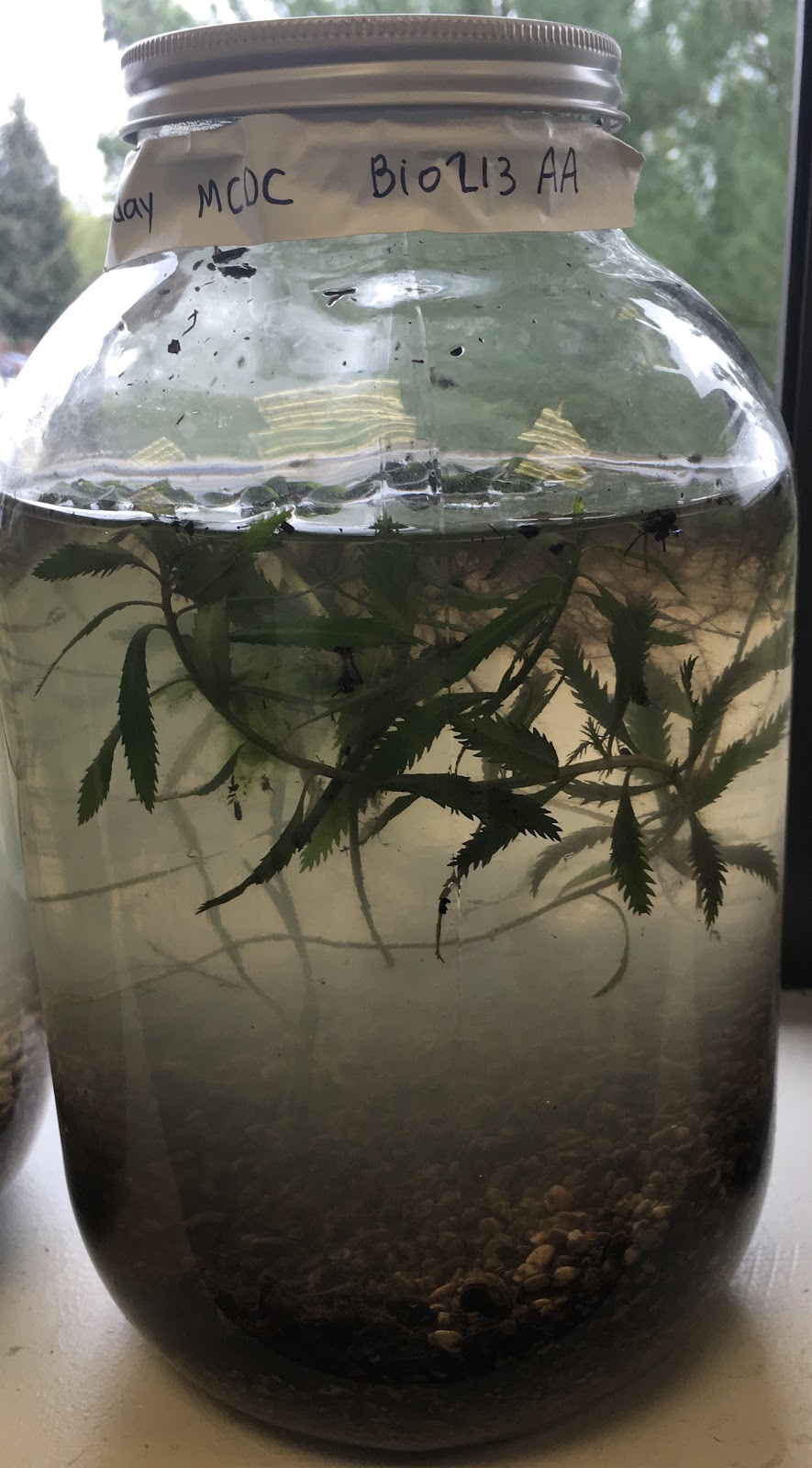
Figure 2:Ecosphere Jar Set-up On April 13
After two days, the soil had finally settled and revealed the mini ecosystem within. Light was now able to reach anywhere in the jar and the life we introduced could thrive. We made slight adjustments on this day in terms of how the roots were resting. We planted them further in the sediment to allow them a better chance at life. The snail was observed and it was moving well. The snail looked ok and mermaid and aquatic floating fern looked fine.
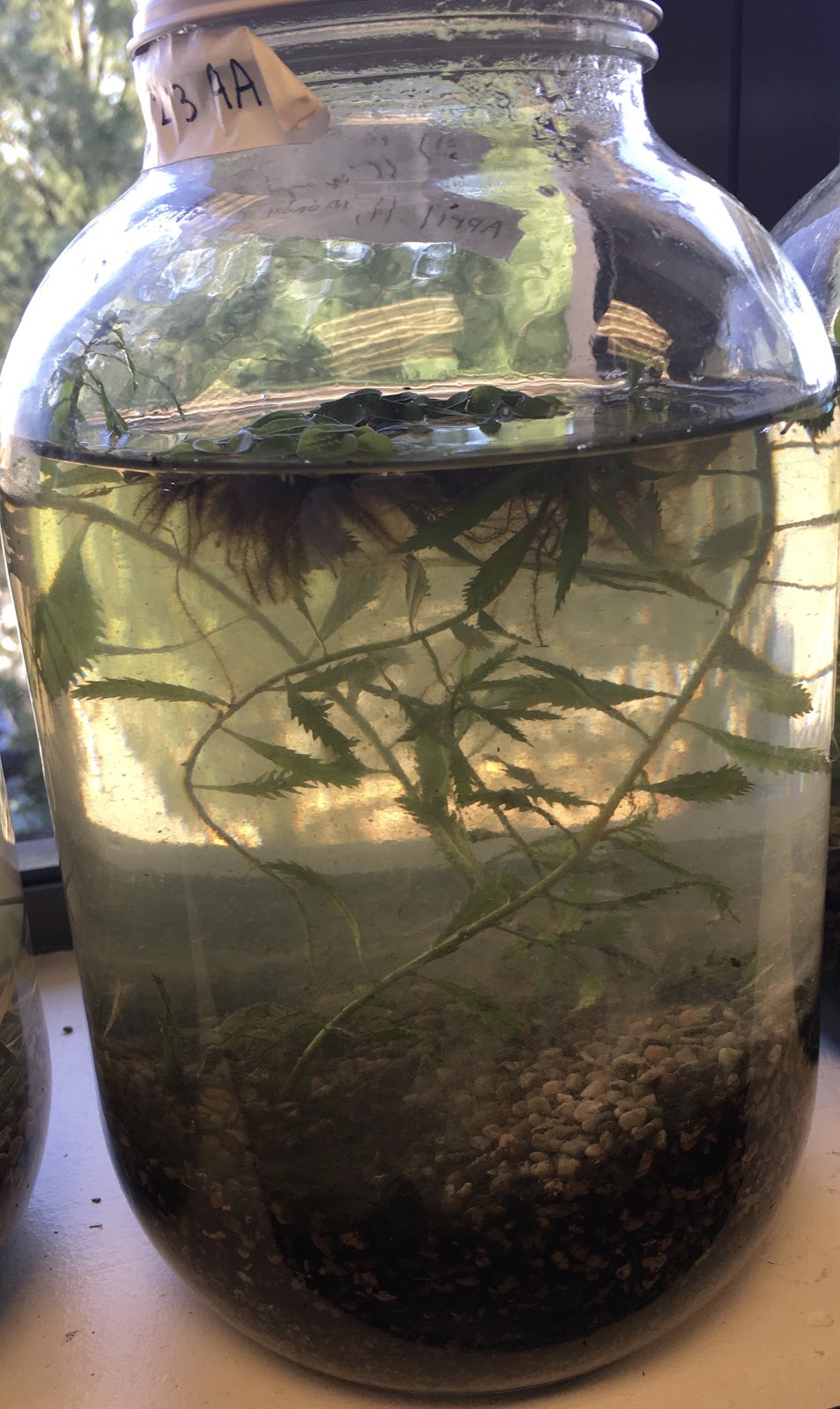
Figure 3:Ecosphere Jar Set-up On April 20
The snail’s movement was slow but it was still alive. The aquatic floating fern and the mermaids still set on the soil and the pea. The water looked way cleaner than the one on first day. Also, the root parts of the fern grew a bit.

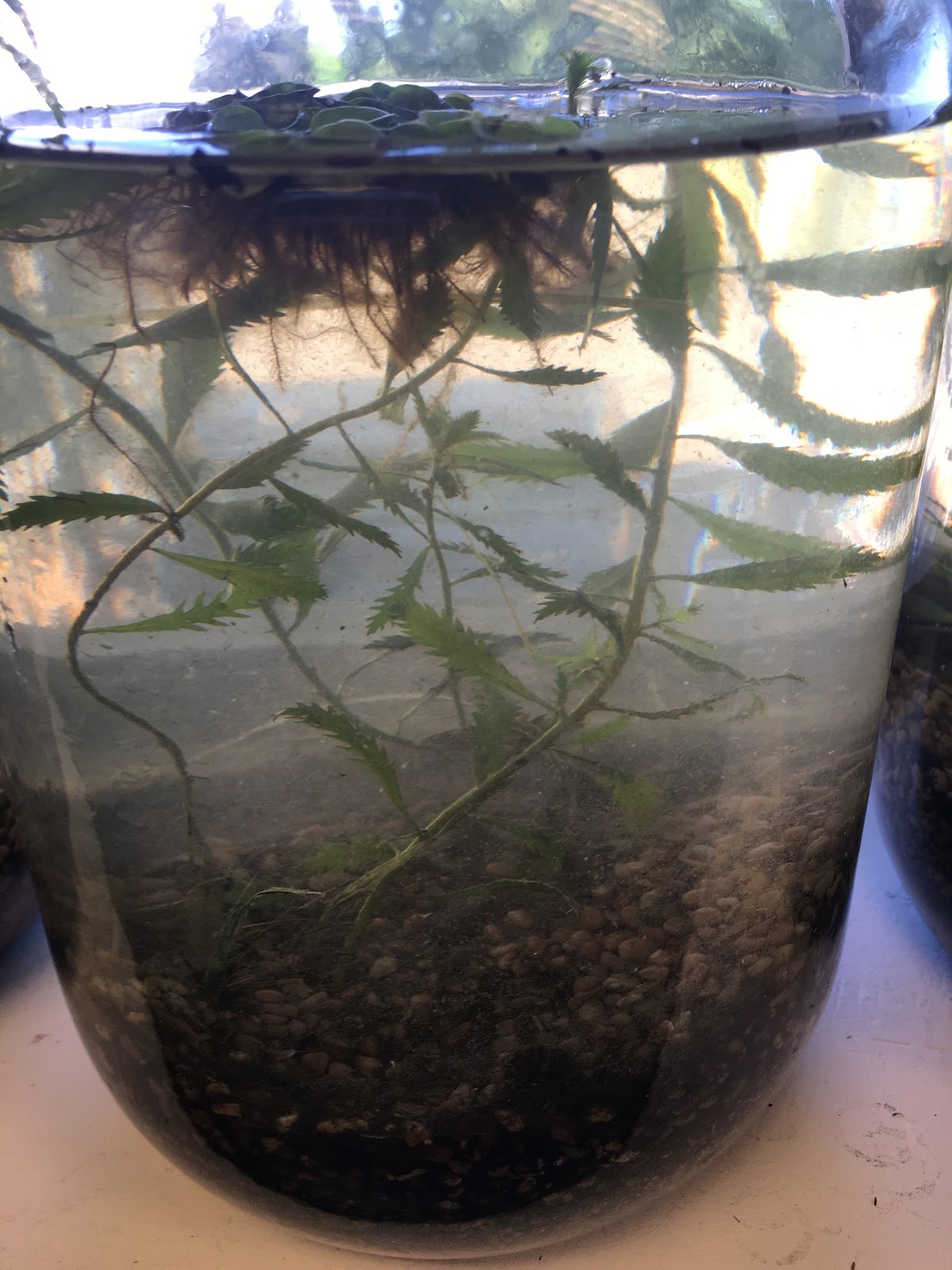
Figure 4:Ecosphere Jar Partial view On April 20
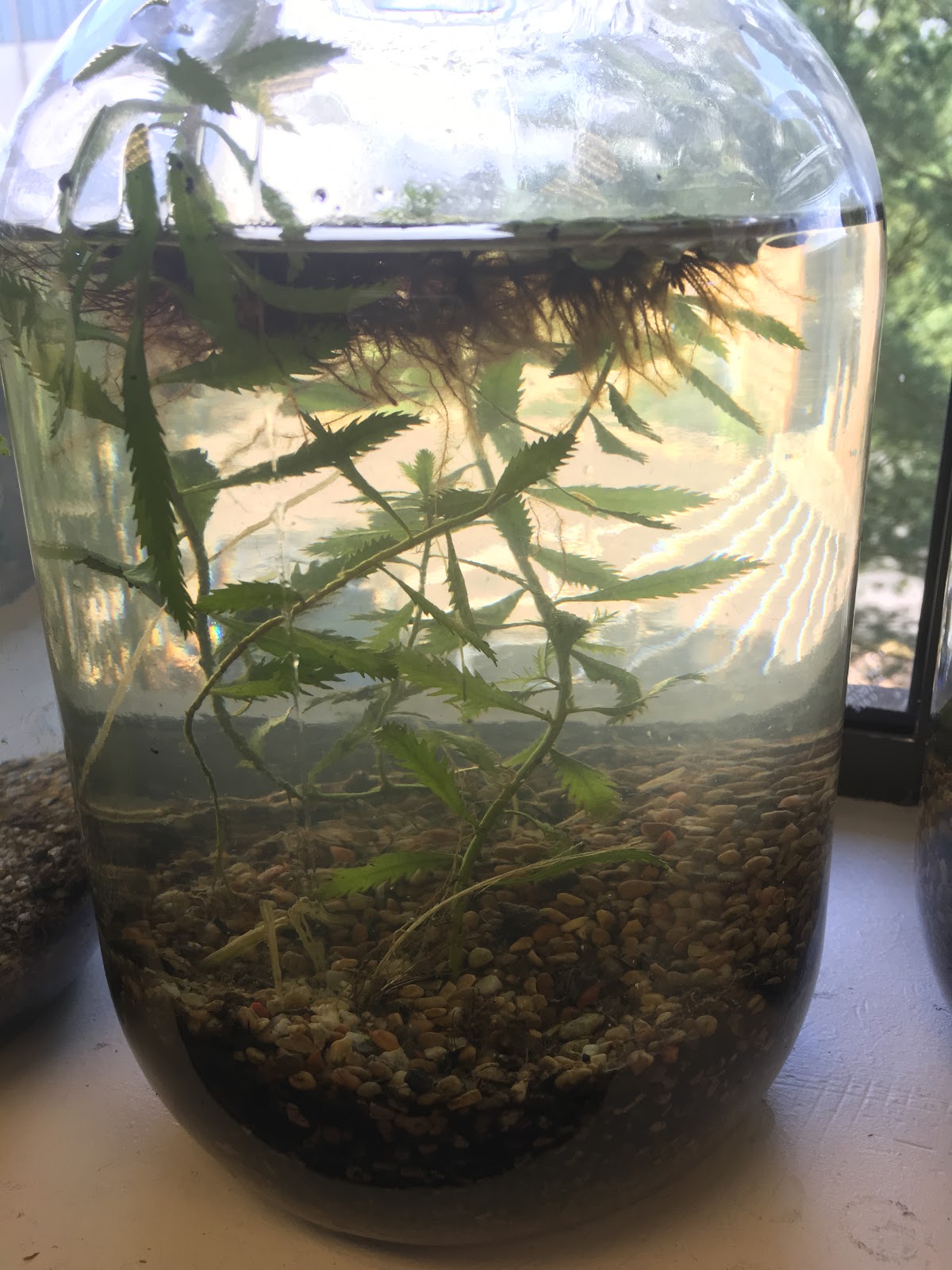
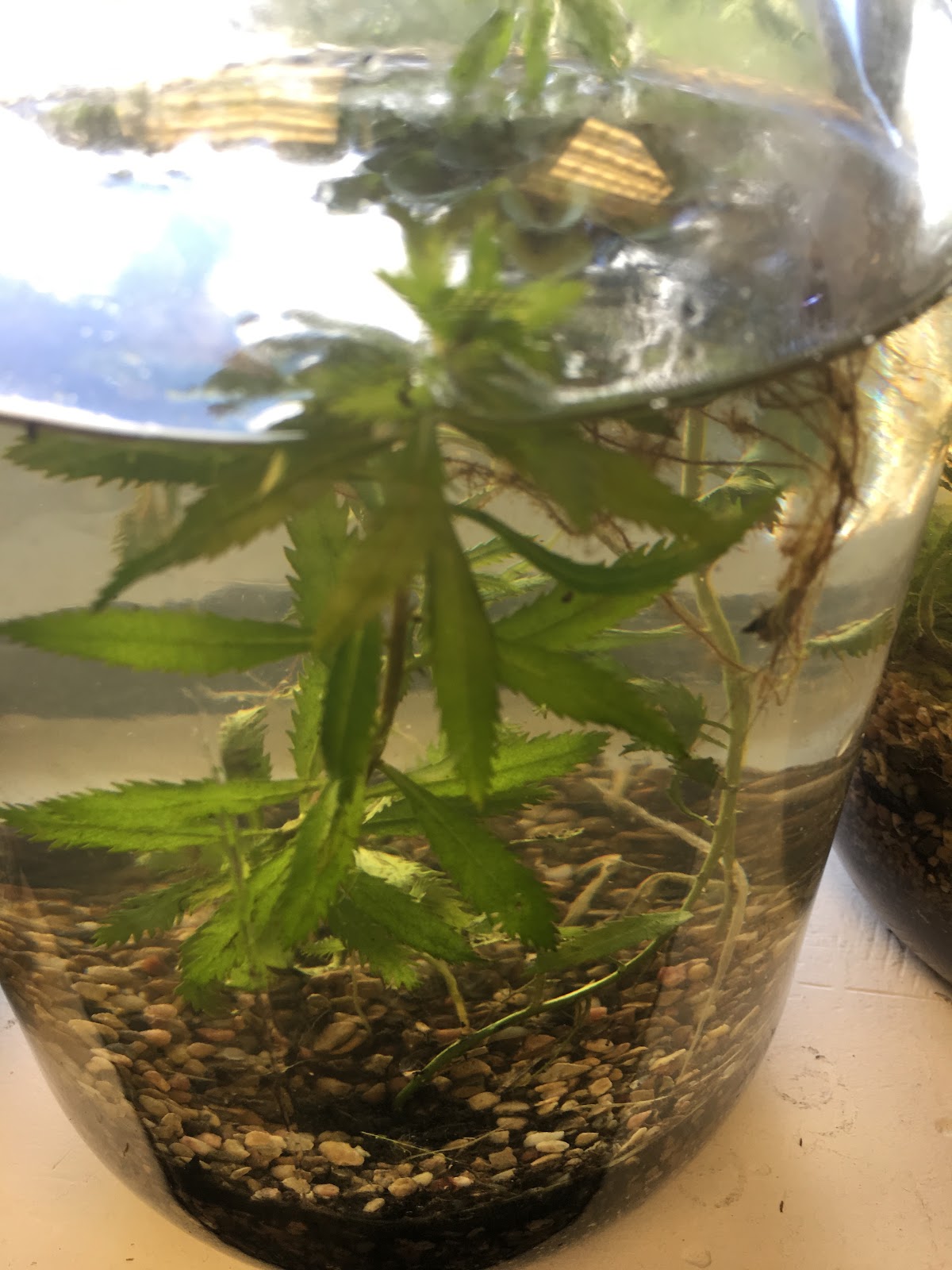
Figure 5:Ecosphere Jar Partial view On April 25
The snail is still alive and Mermaid and the aquatic floating fern keeps living. On that day, we compared our snail and other organisms with other group’s. The other group’s snail was dead already but ours was still alive and it was moving. We assumed that we put enough soil and pea and other stuffs for snail to live. The dark and blurry water got cleaner and everything was settled down.


Figure 6:Ecosphere Jar Partial view On May 2
The aquatic floating fern and three mermaids are still alive. The water was pretty clean compared to the first day. The snail is still alive and it moves a bit. There were new moving organisms and they were moving all the time. The color of the aquatic floating fern is pretty clean green color.
Conclusion - All the organisms we put on the first day are still alive even the snail. On the first day, our team thought we put too much soil and peas and we were worried the snail will be dead in few days. However, the water got cleaner and cleaner and the snail’s movement was pretty good. To breed living organisms was pretty interesting. Also, to observe it every week and to check which grew and which was dead was amazing.


